In the high-stakes world of global fashion, the difference between a successful season and a financial disaster often boils down to one factor: Lead Time. For international retailers and fashion giants, a delay in receiving their Ready-Made Garment (RMG) shipments can lead to empty shelves, missed trends, and millions in lost revenue.
As Bangladesh continues to solidify its position as the world’s preferred apparel sourcing hub, the pressure to deliver high-quality products on a strict schedule has never been higher. At Daylight Apparel Ltd, we have mastered the art of balancing scale with speed. In this guide, we reveal the systemic secrets that ensure on-time delivery in apparel manufacturing.
1. The Foundation: Strategic Raw Material Sourcing
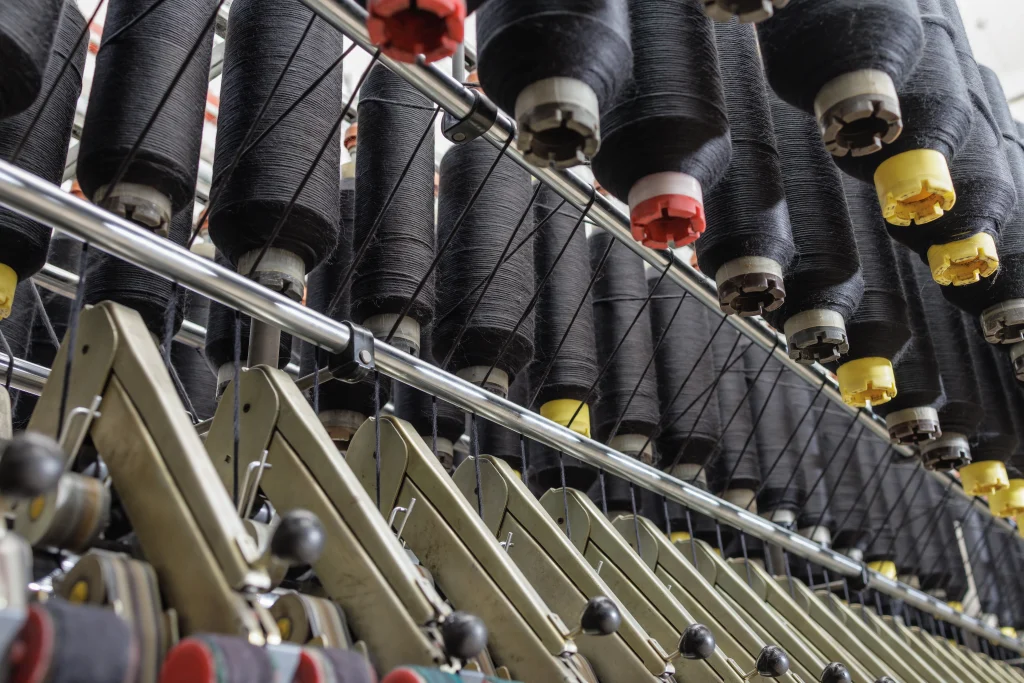
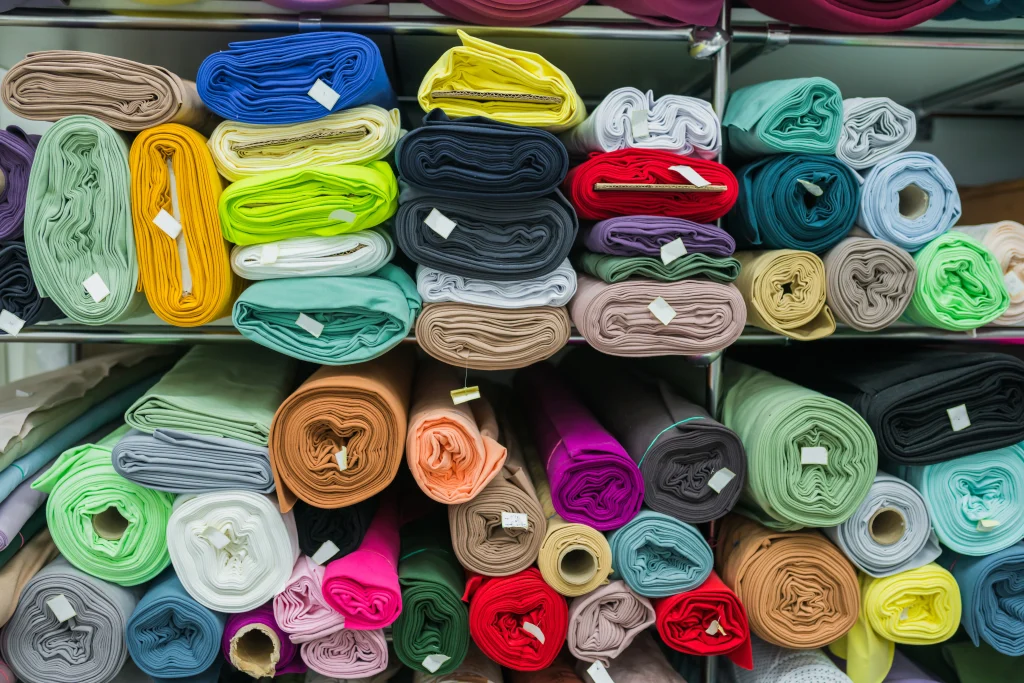
On-time delivery doesn’t start at the sewing machine; it starts at the yarn and fabric stage. In large-scale production, 60-70% of delays are caused by the late arrival of raw materials.
The Network Effect
A reliable manufacturer must have a “Tier-1” supplier network. This means having pre-vetted partners for fabric, buttons, zippers, and labels. We maintain a proactive procurement strategy where we:
- Forecast Material Needs: We don’t wait for the final PO to start discussing capacity with fabric mills.
- Quality Testing at Source: Fabrics are tested for shrinkage and colorfastness before they reach our warehouse to avoid rejection-based delays.
2. Pre-Production (PPM) Precision: Eliminating the Rework Trap
The “Pre-Production Meeting” is the most critical hour in the entire manufacturing cycle. This is where the blueprint of the garment is finalized.
Why PPM Matters
In bulk orders of 50,000+ pieces, a small misunderstanding in the tech pack can lead to massive errors. By ensuring that the sample is 100% approved and the “Size Set” is perfectly graded before cutting, we eliminate the risk of stopping a running line to fix a mistake.

3. Technology Integration: Real-Time Production Monitoring
Gone are the days of manual spreadsheets. Modern apparel manufacturing relies on data.
The Role of ERP Systems
Using Enterprise Resource Planning (ERP) software, we can track the “Input vs. Output” of every sewing line in real-time.
- Bottleneck Identification: If a line is producing slower than expected, the system alerts the floor manager immediately.
- Transparency for Buyers: We provide digital updates to our clients, so they know exactly where their order stands.
Sara Sourcing monitors these reports closely. If a bottleneck is identified, their agents are on the factory floor immediately to help resolve the issue. This dual-layer of supervision- factory management plus sourcing agency oversight ensures that no order falls behind schedule.
4. Lean Manufacturing: Efficiency at Scale
Large-scale production often suffers from “Bottlenecking,” where one department works too fast and another too slow. This is where Lean Manufacturing comes in.
The 5S Framework
We implement the 5S methodology to ensure the factory floor is optimized for movement.
- Work-in-Progress (WIP) Management: We keep the WIP levels low to ensure that garments flow smoothly through the line.
- Time & Motion Studies: Our industrial engineers analyze every movement of an operator to save precious seconds, which adds up to hours of saved time over a month.
5. Quality Assurance (QA) vs. Quality Control (QC)
Most factories focus on finding mistakes at the end. We focus on preventing mistakes from happening.
The “Zero-Defect” Strategy
By placing “In-Line QCs” after every critical workstation, we catch stitching errors the moment they happen. If a needle breaks or a seam is crooked, it’s fixed instantly. This ensures that the final batch is ready for export without last-minute surprises or delays.

6. Skilled Workforce Management and Motivation
At the heart of the Bangladeshi RMG sector is its people. High labor turnover or low morale can cripple a production schedule.
Human-Centric Productivity
We invest in regular training sessions and welfare programs. A motivated worker is more accurate. By maintaining a safe, ethical, and high-standard working environment, we ensure a stable workforce that understands the importance of deadlines.
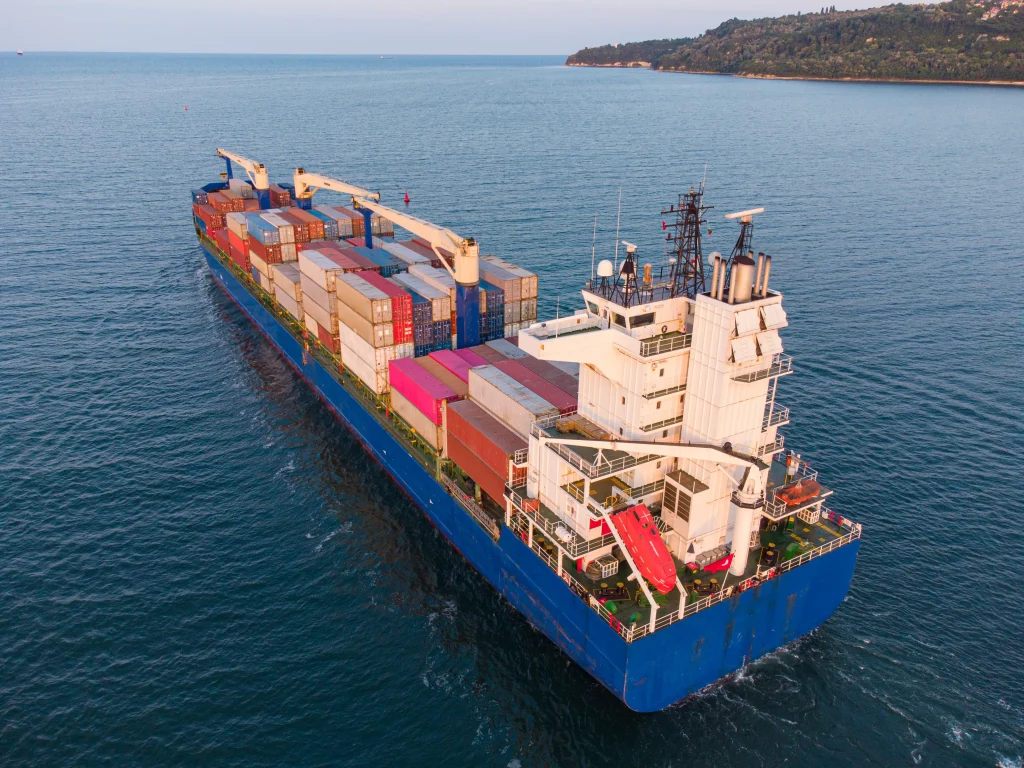
7. Logistics and Port Management: The Final Mile
The job isn’t done until the container is on the ship. Bangladesh’s logistics landscape can be challenging, but experience makes the difference.
Smart Shipping
- Lead Time Buffering: We always include a 3–5 day “Buffer Zone” in our internal schedule to account for potential port congestion.
- Vessel Booking: For large-scale exports, we book vessel space weeks in advance to avoid peak-season rushes.
8. Why This Matters for Your Brand
When you partner with a manufacturer that prioritizes on-time delivery, it translates into:
- Lower Markdowns: Your products arrive when demand is highest.
- Higher Customer Loyalty: Your customers find what they need, when they need it.
- Better Cash Flow: Faster turnover of goods means better financial health.
Conclusion: Turning Challenges into Opportunities
Maintaining punctuality in large-scale garment production is not a matter of luck; it is a result of meticulous planning, technological investment, and a culture of accountability.
As the global apparel industry moves toward Fast Fashion, the ability to deliver on time will be the ultimate competitive advantage. Whether you are a startup or an established global retailer, choosing a partner who understands the “Science of Speed” is the best investment you can make.
Contact Daylight Apparel Ltd today to discuss how we can streamline your next bulk production with 100% on-time delivery.