

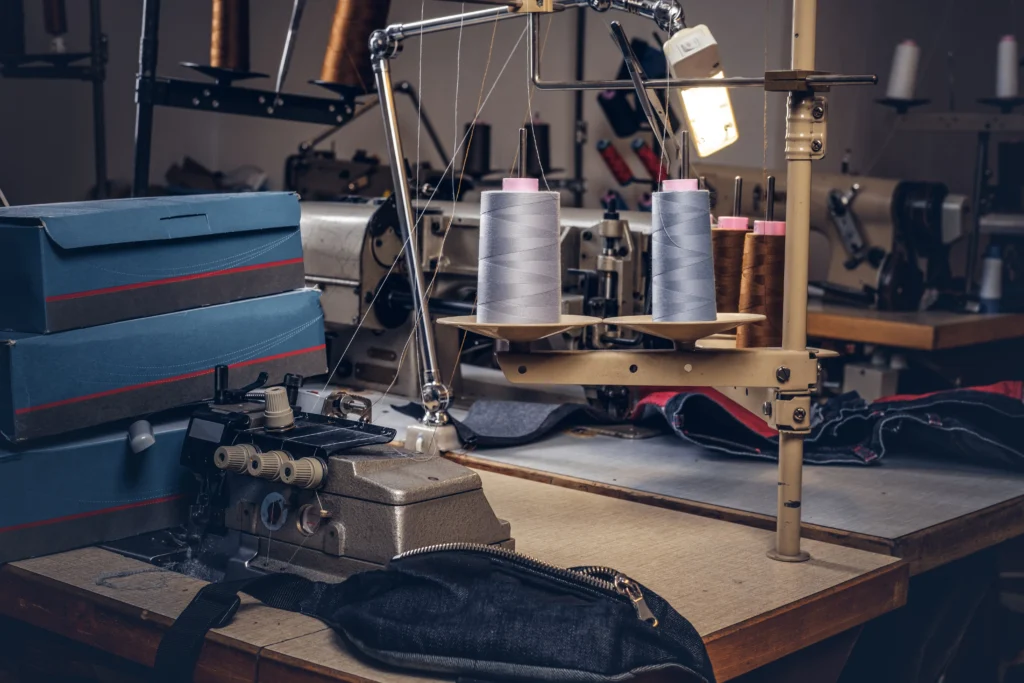
When a buyer confirms an order, the clothing order process starts immediately. Many people think production begins with sewing, but in reality, the manufacturing process includes several important stages, such as planning, sourcing, sampling, production, quality control, finishing, and shipment. Understanding the clothing order process helps buyers know why professional apparel manufacturing requires time, coordination, and strict quality control.
At Daylight Apparel Ltd., we follow a structured and transparent manufacturing process to make sure every order is delivered on time with the exact quality requested by the buyer. As a 100% export-oriented apparel manufacturer in Bangladesh, we support global brands, importers, and wholesalers with reliable production management.
In this article, we explain the complete clothing order process step by step so you can understand what really happens behind the scenes after a clothing order is placed.
Order Confirmation and Technical Review in the Clothing Order Process
The first step in the clothing order process is order confirmation and technical review. This stage is extremely important because mistakes at the beginning can create serious problems later in production.
Our merchandising team checks all buyer requirements carefully. This includes fabric type, color, size chart, print details, labeling instructions, packing method, and delivery schedule. Every detail must match the buyer’s technical file.
After reviewing the order, we prepare a Time and Action plan. This plan shows every step of the manufacturing process and the deadline for each stage. Because of this planning, the order moves smoothly from sourcing to shipment.
A strong technical review makes the manufacturing process faster, safer, and more accurate.
Fabric and Accessories Sourcing in the Clothing Order Process
The next stage of the clothing order process is sourcing fabric and accessories. The quality of materials directly affects the quality of the final garment, so this step must be handled carefully.
We arrange fabric according to the buyer’s requirements. This may include knit, woven, fleece, denim, jersey, or other special fabrics. Along with fabric, we also source trims such as buttons, zippers, labels, elastic, threads, and packaging materials.
Before production starts, all materials are inspected. Fabric is checked for color, weight, shrinkage, and defects. Accessories are checked to confirm they match the approved sample.
Proper sourcing is a key part of the manufacturing process because good materials ensure smooth production.
Sample Development and Approval in the Clothing Order Process
Sampling is one of the most important steps in the clothing order process. Bulk production cannot start until the buyer approves the sample.
Different types of samples may be required, such as a development sample, fit sample, pre-production sample, and size set sample. Each sample is made according to the buyer’s technical specification.
After receiving the sample, the buyer checks fitting, stitching, fabric quality, color, and finishing. If any corrections are needed, the sample is revised. Only after approval does the manufacturing process move to bulk production.
Strong sample control reduces risk and prevents costly mistakes.
Production Planning and Cutting Stage
After sample approval, the clothing order process enters the bulk production stage. Production planning is done based on the delivery date and order quantity.
Fabric inspection is done using the 4-point system before cutting. This helps detect defects early. Then the fabric is relaxed to avoid shrinkage problems. Marker making is prepared to ensure accurate cutting and proper fabric consumption.
Cutting must be done carefully because mistakes in cutting affect the entire garment manufacturing process. Each panel is numbered and bundled so the sewing section can assemble garments correctly.
Accurate cutting helps maintain quality and keeps the production schedule on time.
Sewing and Assembly in the Clothing Order Process
After cutting, the garment pieces move to the sewing section. This is the stage where the product starts to take its final shape.
Each sewing line follows a planned production flow. Skilled operators use modern machines to assemble garments according to the approved sample. Supervisors and quality controllers monitor the line continuously.
In-line inspection is done during sewing. If any defect is found, it is corrected immediately. This prevents large losses and keeps the clothing order process under control.
Good sewing management ensures both speed and quality.
Quality Control at Every Stage of the Clothing Order Process
Quality control is not done only at the end. In a professional clothing order process, quality must be checked at every stage.
First, raw materials are inspected before use. Then, in-line inspection is done during production. Mid inspection is carried out when part of the order is completed. This helps confirm the order is going in the right direction.
Lab testing may also be required. Tests can include shrinkage, color fastness, strength, and chemical safety. These tests ensure the garments meet international standards.
Finally, a full inspection is done before shipment. Quantity, quality, measurement, and packing are checked.
Continuous quality control makes the garment manufacturing process reliable.
Finishing and Packing Stage
Finishing is the last production stage in the clothing order process. However, it is very important for the final quality.
In finishing, extra threads are removed, garments are ironed, measurements are checked, and labels are attached. Each piece is inspected again before packing.
Packing is done according to the buyer’s instructions. Folding style, polybag, barcode, size sticker, and carton marking must match the packing list.
Before sealing cartons, the quality team checks everything again. Careful finishing and packing protect the product during shipment.
Documentation and Shipment Coordination
After packing, the clothing order process moves to logistics and shipment.
Exported garments require proper documentation. Our team prepares a commercial invoice, packing list, bill of lading, inspection report, and shipping instructions.
We also coordinate with freight forwarders and shipping lines to book space. Shipment schedules are monitored closely to avoid delay.
Good shipment coordination is a very important part of the garment manufacturing process.
Delivery and After-Shipment Support
The clothing order process does not end when the goods leave the factory. We continue to track the shipment until the buyer receives it.
We confirm delivery, collect feedback, and provide support if needed. Many buyers place repeat orders because a smooth manufacturing process builds trust.
A long-term partnership is possible only when quality, communication, and delivery are consistent.
Why the Clothing Order Process Matters
Many buyers focus only on price, but the real success of an order depends on the clothing order process.
A professional garment manufacturing process ensures:
- Correct quality
- On-time delivery
- Clear communication
- Less risk
- Better long-term business
At Daylight Apparel Ltd., every department works together to control the apparel production process from sourcing to shipment.
This is why global buyers trust experienced manufacturers.
Conclusion
After a clothing order is placed, a complete clothing order process begins. Technical review, sourcing, sampling, cutting, sewing, quality control, finishing, packing, and shipment all work together to produce the final garment.
What looks simple from the outside is actually a detailed and carefully managed apparel production process behind the scenes.
At Daylight Apparel Ltd., we believe successful apparel manufacturing depends on strong planning, strict quality control, and professional production management.
When the apparel production process is done correctly, buyers receive the right product, on time, with the right quality. And that is what makes a manufacturing partner truly reliable.

